For years, China has been a rising powerhouse in the world of sports, rapidly climbing the ranks in everything from basketball and soccer to Olympic disciplines like gymnastics and diving. Major investments in athletic programs, infrastructure, and international partnerships have positioned the country as a formidable competitor on the global stage. Understanding Business Term Loan Rates: What Sports Organizations Need to Know
But recent trends reveal a different story. The notion of “china in decline” has started to gain traction within the sports community. Once dominant performances are slowing, youth participation is shifting, and structural challenges are emerging. This shift raises important questions not only for Chinese sports but also for the global sporting landscape that has increasingly counted on China’s ascent.
Understanding this decline is crucial. It sheds light on the broader social, economic, and policy factors influencing sports development and offers insights into future international competitions and collaborations. Here’s a closer look at why China’s sports sector appears to be faltering and what this means in a rapidly evolving global arena.
Signs of Strain in China’s Sporting Ambitions
Performance Plateaus and Waning Dominance
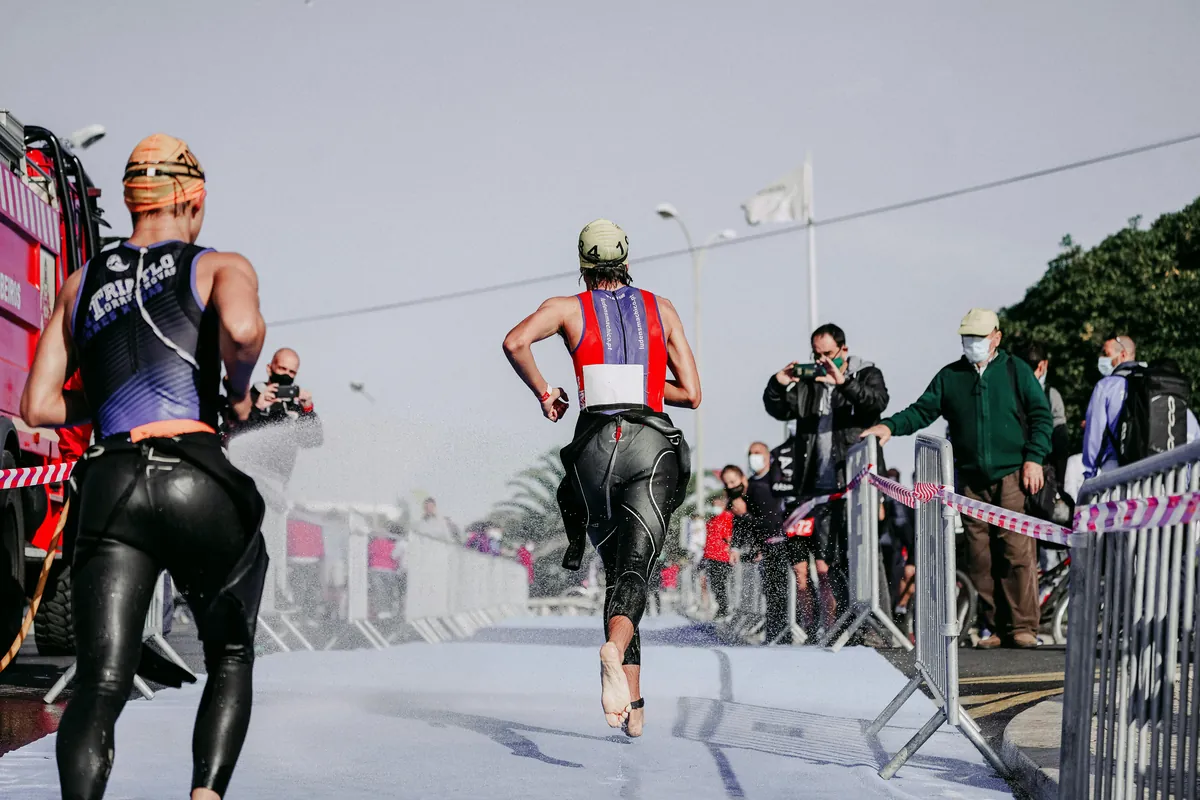
In recent international competitions, China’s performance has shown signs of plateauing. While still competitive, athletes have struggled to maintain the dominance seen in previous decades. For example, despite winning numerous medals at the Olympics, some sports like swimming and athletics have seen slower progress compared to rivals.
The rise of other countries investing heavily in sports science, coaching, and youth development has intensified competition. Simultaneously, China’s athletes have faced increasingly stiff competition from nations like the United States, Japan, and European countries that are innovating faster and adapting more effectively to global trends.
Challenges in Talent Development
One critical factor behind the decline is a stagnation in talent development. China’s sports schools and training programs, once celebrated for their rigorous and centralized approach, now face challenges in recruitment and retention.
Demographic changes, such as the aging population and smaller youth cohorts, limit the pool of potential athletes. There are also growing concerns around the intense pressure and strict conditions in training environments, which may deter young talents or harm their long-term development.
Socioeconomic Factors Impacting Sports Growth
Shifts in Youth Interests and Participation
Chinese youth today have more diverse interests than previous generations, including burgeoning opportunities in esports, technology, and entertainment. This shift means fewer young people are committing to traditional sports, especially those requiring long-term dedication and physical sacrifices.
The changing economic landscape also impacts participation. While urban centers still offer vast sports opportunities, children in rural or underdeveloped areas face barriers such as limited facilities and less access to expert coaching.
Government Policies and Changing Priorities
Government support has been a cornerstone of China’s sporting rise, but recent policy shifts emphasize broader goals, including health promotion and mass participation over elite specialization. The government’s focus on cultivating a healthier society means resources are being redistributed to wide-reaching programs rather than exclusively high-performance sports.
Additionally, geopolitical tensions and international sanctions in various sectors indirectly affect sports exchanges and collaborations, which were vital to China’s learning curve and exposure to different athletic methodologies.
Impact on China’s Global Sports Presence
International Competitions and Rivalries
China’s relative decline reshapes the competitive landscape in international sports. Countries that once trailed behind are now catching up or surpassing China in medal tallies and rankings, particularly in traditionally strong disciplines such as table tennis and badminton.
This dynamic introduces new rivalries and opportunities. For instance, China’s challenges open the door for other Asian countries like South Korea, India, and Indonesia to expand their presence on the world stage.
Economic and Commercial Repercussions
China’s sports market has been one of the fastest-growing globally, fueling sponsorships, broadcasting deals, and merchandise sales. A slowdown in elite performance and engagement could temper this growth.
However, China’s huge population and increasing middle class still present significant opportunities for sports business. This means the country might pivot toward cultivating grassroots participation, recreational activities, and sports entertainment, maintaining its economic influence even if podium finishes wane.
Looking Ahead: Can China Reverse the Trend?
Innovating Training and Development
To counteract the “China in decline” narrative, the sports sector is adopting new strategies. Incorporating advanced sports science, technology-driven performance analytics, and more athlete-centered training regimes could revive China’s competitive edge. ESPN
Opening up to international collaborations and learning from global best practices while adapting to cultural contexts is another promising avenue. Encouraging creativity and flexibility within training programs may nurture the next generation of elite athletes more effectively.
Promoting Sports Culture and Mass Engagement
Expanding grassroots sports and promoting a culture where physical activity is celebrated beyond winning medals will be key. The government’s recent policies already aim at this transformation, focusing on health, well-being, and participation for all age groups.
By building a strong base of active sports enthusiasts, China can ensure a sustainable pipeline of athletes and fans, keeping sports vibrant at every level.
Conclusion
The story of “China in decline” in sports is complex and multifaceted. It reflects demographic shifts, evolving societal interests, policy changes, and heightened global competition. While it may signal a slowdown in China’s meteoric rise, it also offers a chance to rethink and rejuvenate the nation’s approach to sports.
How China navigates this period could determine whether it remains a powerhouse or transitions into a new role as a promoter of mass sports culture and innovation. For the global sports community, these developments underscore the dynamic nature of international competition and the continual need to adapt. Principal Insurance Reviews: What Sports Enthusiasts Need to Know
FAQ
Why is China’s dominance in sports seen as declining?
China’s dominance is perceived as declining due to plateauing performances in key sports, slower development of new talent, and increasing competition from other countries investing heavily in sports innovation and training.
How do demographic changes affect China’s sports development?
Aging populations and smaller youth cohorts reduce the number of potential athletes, while changing interests among younger generations lower participation in traditional sports, limiting China’s talent pool.
What role does government policy play in China’s sports trends?
The government has shifted focus toward broader health and mass participation initiatives, redistributing resources away from elite sports programs and affecting China’s competitive edge in international arenas.
Can China regain its position as a global sports leader?
Yes, by adopting innovative training methods, embracing international collaborations, and promoting a vibrant sports culture nationwide, China has the potential to reverse the current trends and reestablish itself as a leading sports nation.
What impact does China’s sports decline have on global competitions?
China’s relative decline alters the competitive balance, allowing other countries to rise and create new rivalries, which diversifies and enriches the global sporting landscape.